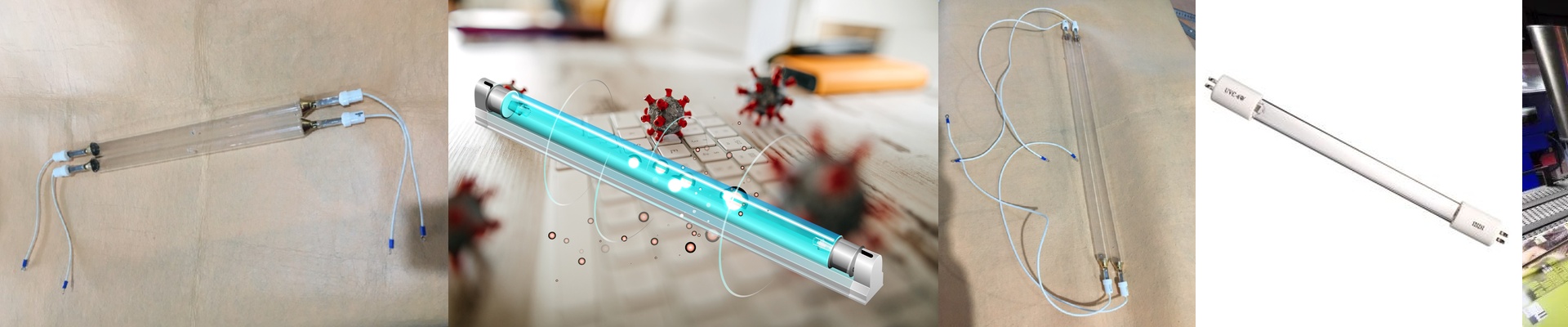
Why Your UV Curing Tubes Keep Dying (and How We Fixed It)
Mercury UV tubes are the unsung heroes of the factory floor. If you’re running a coating or adhesive line, you know the drill: everything is humming along perfectly until a bulb pops. Suddenly, your production line stops. You’re scrambling for a replacement. It’s a headache nobody needs. We spent 15 years obsessing over the chemistry and the glass just to stop that from happening. We wanted to build something that actually holds up against the big international brands, but without the constant fear of a burnout killing your productivity. The secret is in the glass. Most people see a bulb. We see a high-pressure plasma vessel. If you use cheap glass, it “solarizes”—which is just a fancy way of saying the tube turns brown or cloudy. Once that happens, your UV output tanks. We use high-purity synthetic quartz because it stays clear, even under a brutal UV bombardment. Then there are the electrodes. This is where most cheap tubes fail. The metal starts to sputter and coats the inside of the glass in a thin film. It’s like trying to look through a dirty window. We tweaked the tungsten-alloy mix to keep the arc stable. The result? The light stays strong and the tube lasts way longer before it hits that “drop-off” point where your resin stops curing. Dealing with the heat High-wattage tubes get incredibly hot. Really hot. If your cooling fans are dusty or your water jackets aren’t quite right, that quartz is going to stress and eventually crack. We also spent a lot of time balancing the mercury pressure. Why? Because you can’t have “cold spots.” If one part of the lamp is weaker than the rest, you end up with tacky surfaces or uncured patches. That means wasted material and unhappy customers. Getting them into your line The good news is that these are simple drop-in replacements. You don’t need to rewire your whole shop or mess with your electrical footprint; they work right with your existing ballasts. But here is a pro tip for making them last:stop flipping the switch. Every time you power a lamp up and down, you shock the electrodes. It’s hard on the hardware. If you want to get every single hour of life out of these tubes, keep them in a low-power “idle” state between batches instead of shutting them off completely. Your bottom line will thank you.