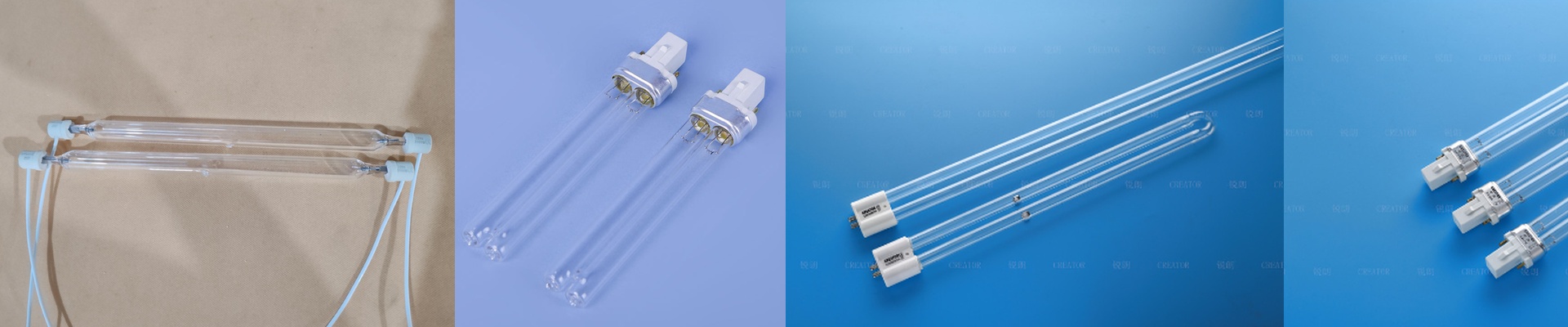
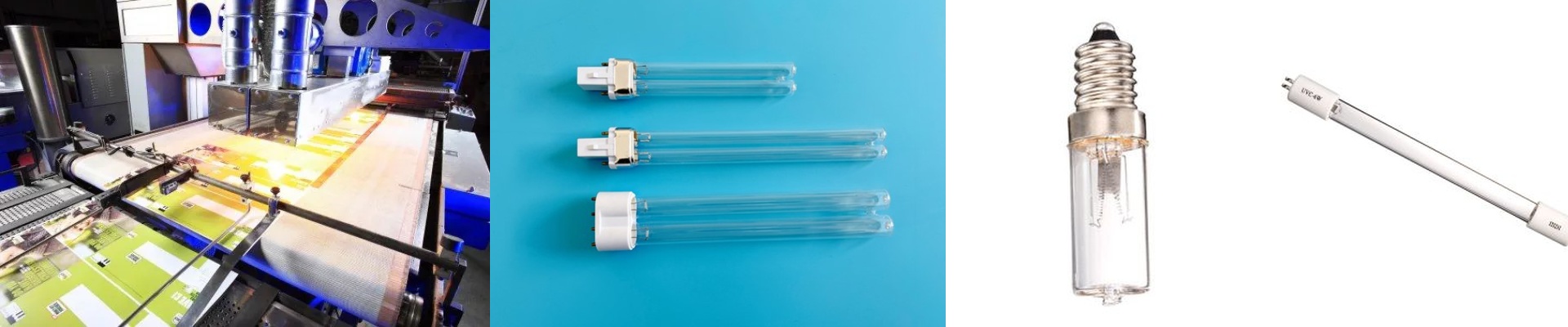
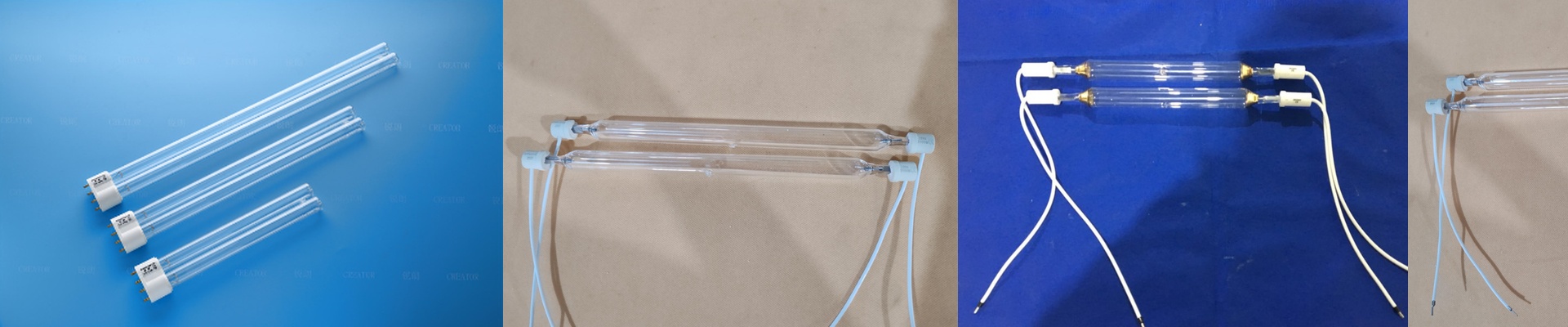
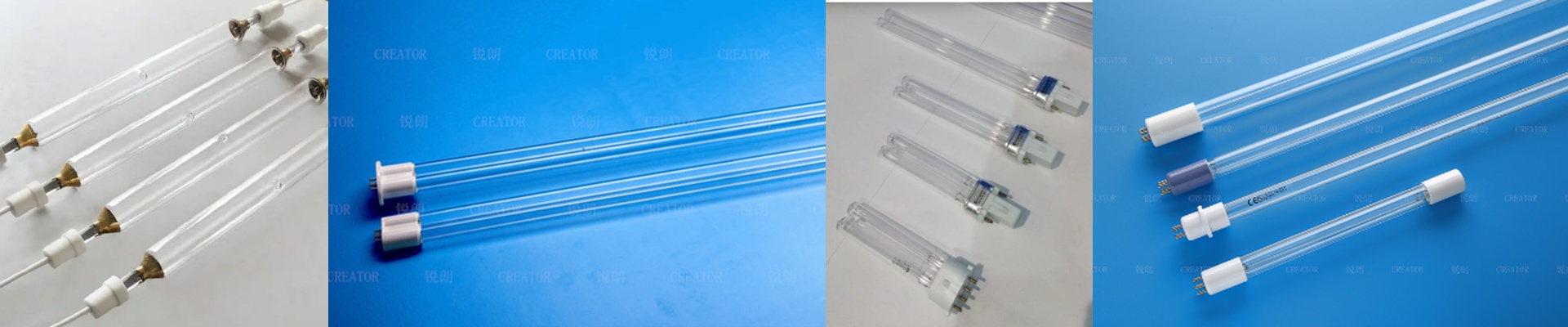
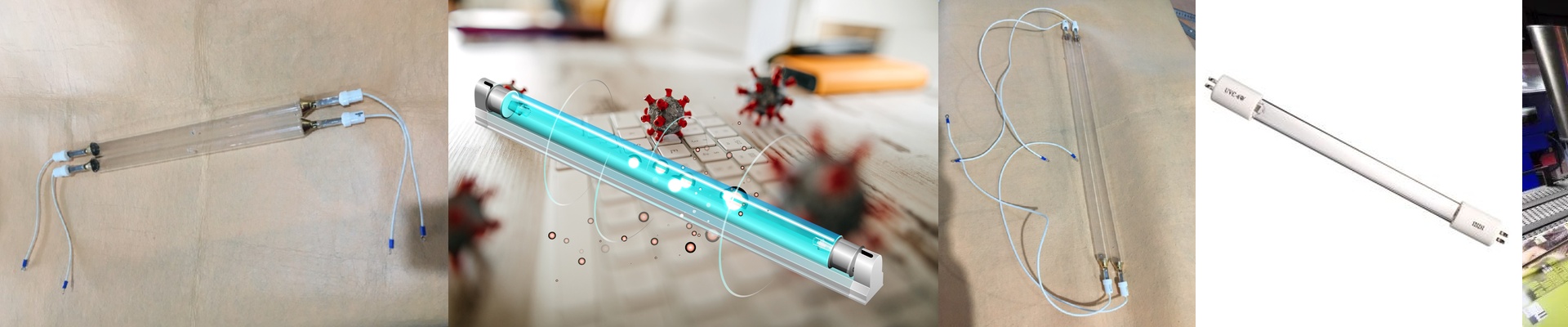
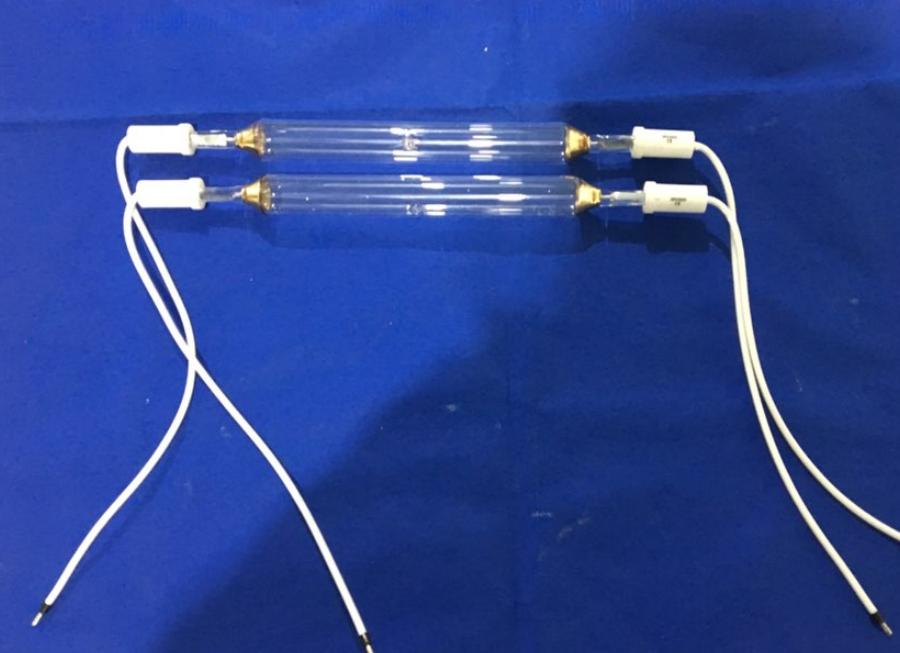
Step onto any footwear line and the bottleneck is right there, in plain sight. Surface contamination on lasts, molds, and finished pairs drags throughput down—and it can pull your microbial counts right back into the red after cleaning. We built a UVC germicidal solution for shoes by working backwards from the microbiology and the actual workflow on the floor. This isn’t just a generic lamp. It’s a wavelength-tuned disinfection module, engineered in our precision lab, where we measure spectral output. No assumptions. What matters, technically, is hitting 254nm with high-purity quartz sleeves and keeping the system ozone-free. That maximizes DNA/RNA absorption in microbes, and it lets us deliver a measured dose that translates into log reduction on the contaminants that tend to ride along on shoes. Power density and dwell time are calibrated so you can drop the module straight into conveyor or turntable systems without cooking sensitive materials. The lamp holds stable irradiance over thousands of hours, and the reflector geometry focuses the beam where you need it—curves, crevices—so you’re not wasting output or energy. In footwear production, speed and repeatability are the only things that really count. The UVC module cuts disinfection time, reduces chemical residue, and draws less energy than thermal methods. That means faster changeovers, fewer rejected pairs tied to contamination, and sanitation performance you can count on shift after shift. If your team already runs UV curing for inks and coatings, you already know the discipline: control the spectrum, control the dose, and the process behaves. Here’s the part you can’t skip: UVC works, but it’s line-of-sight and it demands proper engineering controls. Shielding, interlocks, and solid operator training are mandatory. Integration tolerances matter—mounting distance and airflow directly affect dose consistency. Match your conveyor speed and part geometry to the required irradiance profile, and confirm lamp end-of-life by output, not hours alone.