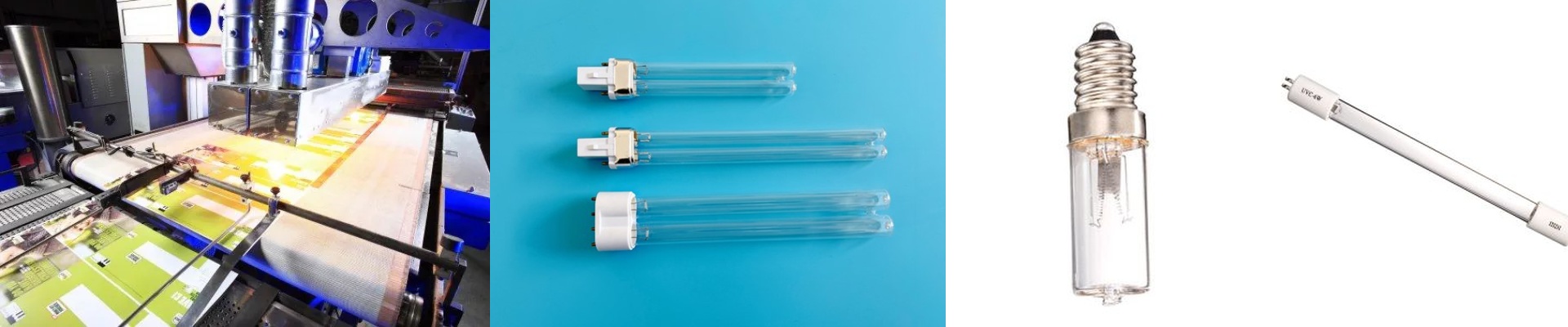
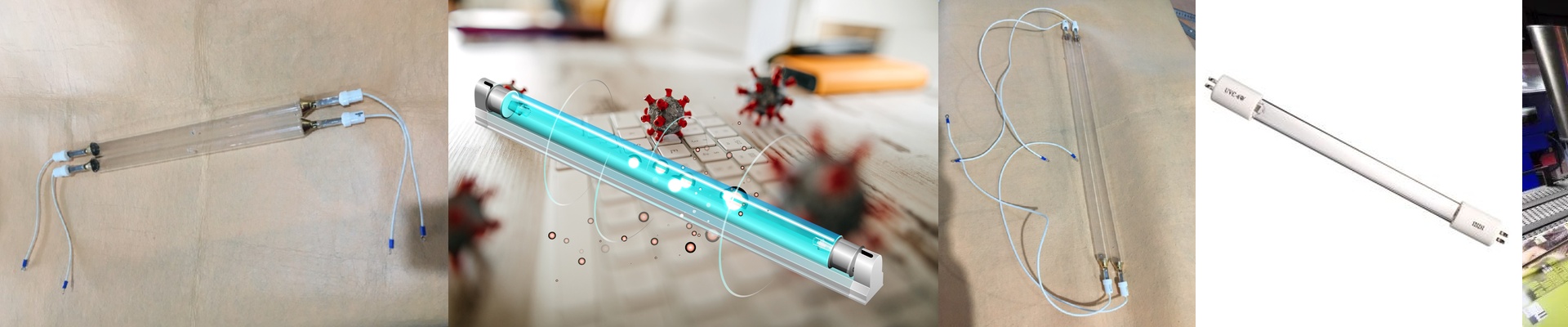
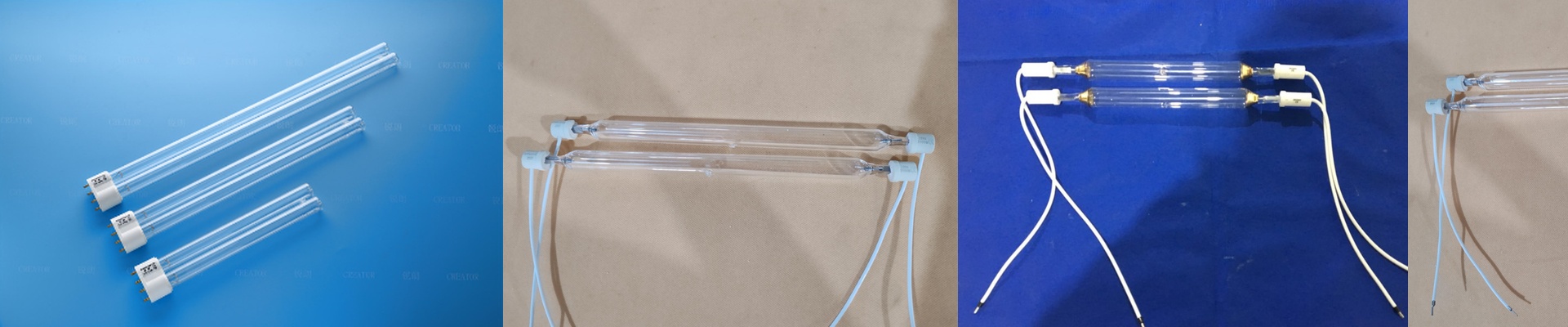
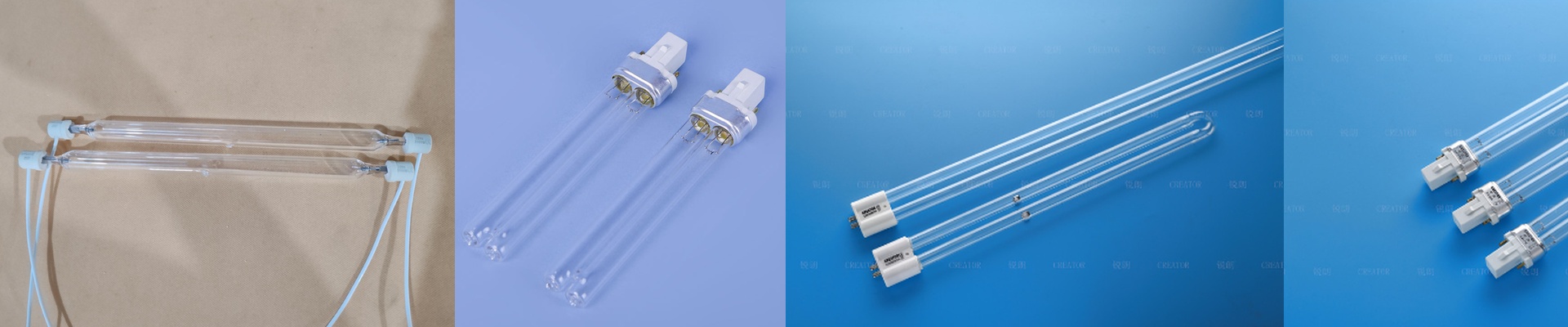
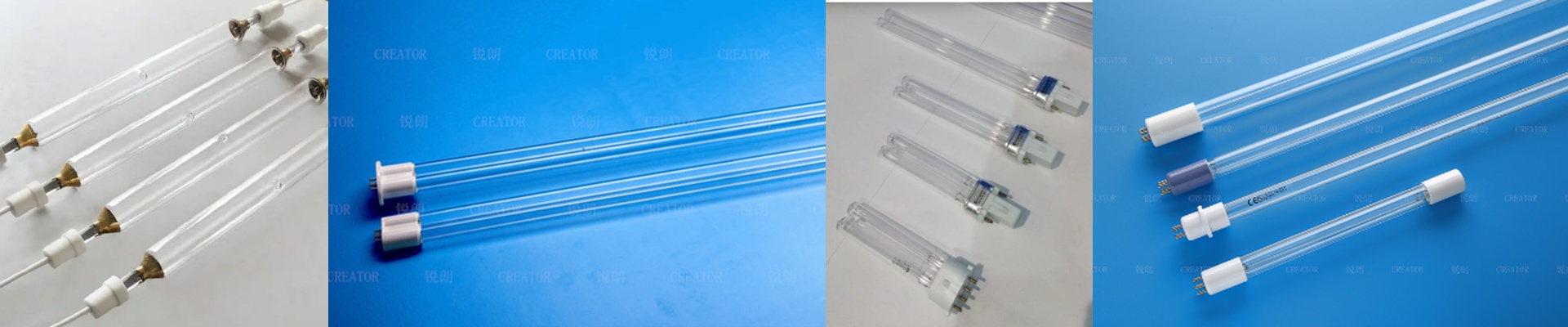
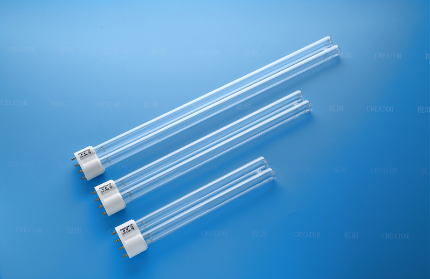
On an MHM press, the curing unit sets the tempo. If the lamp can’t keep up, the whole line stalls—wet ink on the substrate, jobs piling up. We built our replacement mercury UV lamps to hit—and hold—output that meets or beats the OEM, without the OEM price.
What matters under the hood
We start with a high-purity quartz envelope and a precisely metered mercury charge. The spectral profile stays stable, centered at 365 nm, with solid shoulders at 313 nm and 385 nm to fully trigger photoinitiators in UV offset, flexo, and screen inks. Peak irradiance at the substrate plane is engineered to exceed 1,200 mW/cm², so cross-linking keeps up even at high press speeds. The reflector uses a dichroic coating tuned for high UV reflectivity and low IR transmission—keeping heat off the web and protecting substrate integrity. Arc length and electrode geometry are held consistent, so the voltage drop is predictable and your power supply sees a steady load.
What this means on your MHM
You get enough curing energy density to clear thick films without solvent carryover, so you can run faster without scumming or set-off. More impressions per shift, fewer rejects—and the system uses less energy because it cures more efficiently. These lamps are built for long life, holding output over thousands of hours. We’ve seen units run 5,000+ hours with less than 5% spectral drop. For MHM machines, we match connectors, mounting dimensions, and coolant routing so the swap is straightforward.
A few shop-floor reminders
Match the lamp to your reflector and power supply. Check your ballast’s open-circuit voltage and current limits, and confirm arc length and base orientation match your MHM model. Handle the quartz with clean gloves—skin oils create hot spots. Expect a bit more instantaneous heat at the reflector face; verify airflow and shutter tolerances. Set it up right, and you get OEM-grade fit with performance that lets you run the press harder, longer, at lower operating cost.