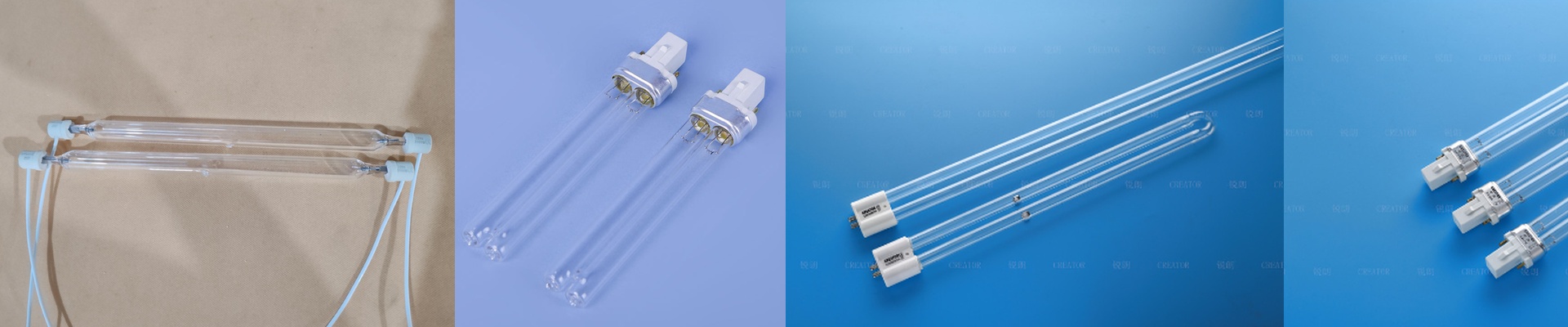
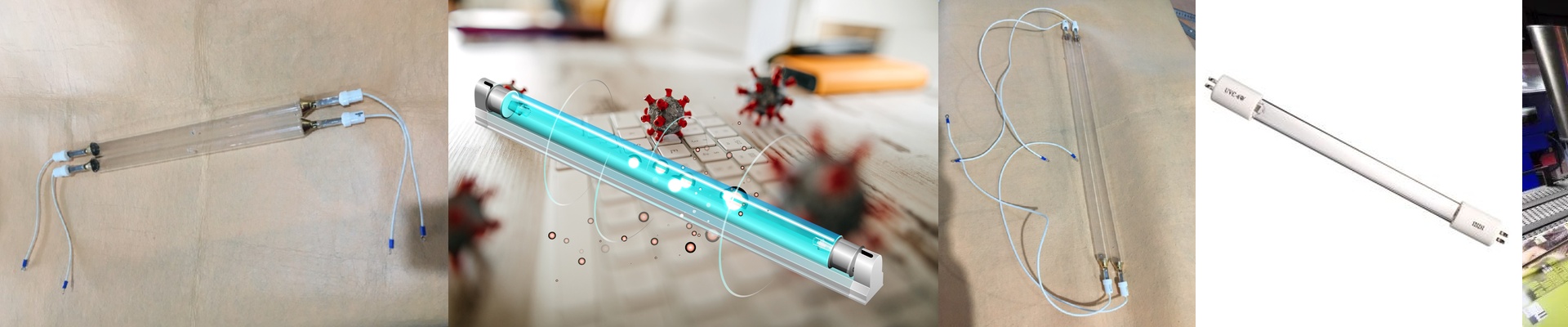
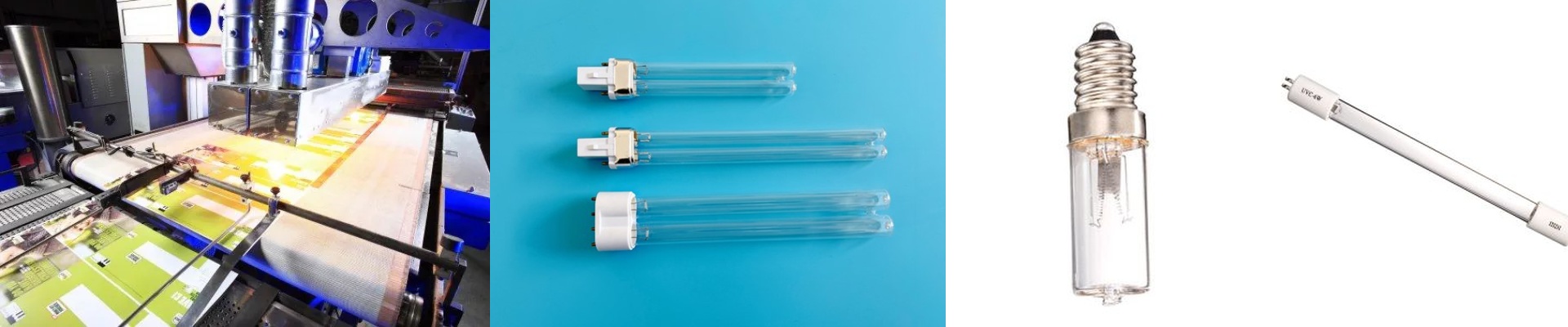
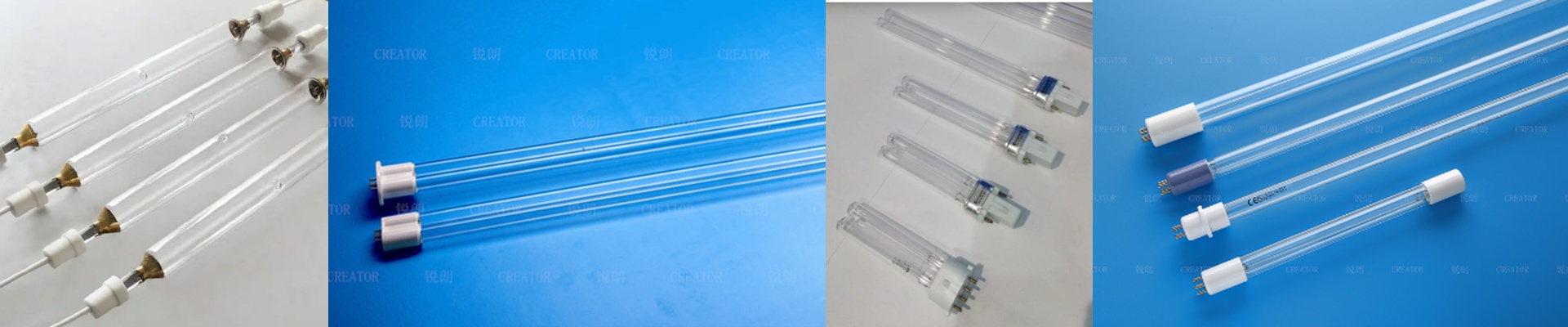
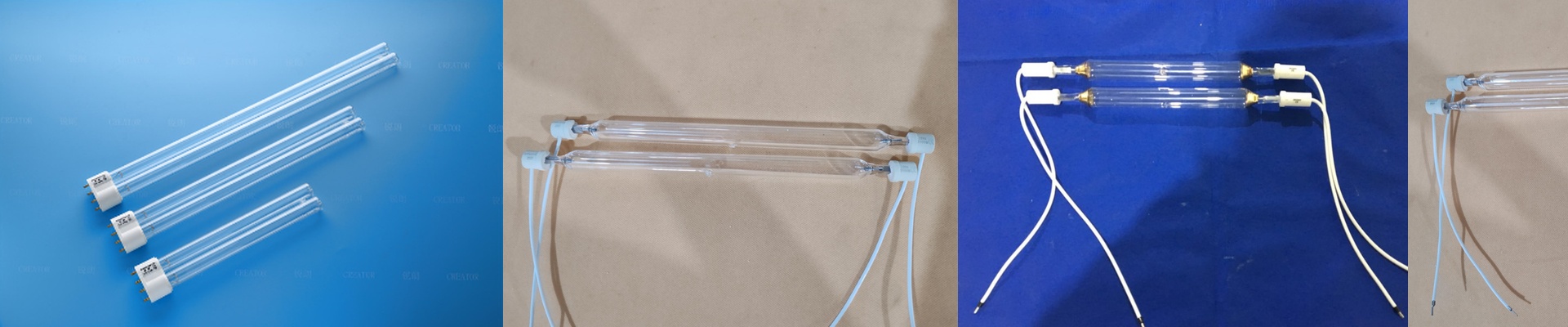
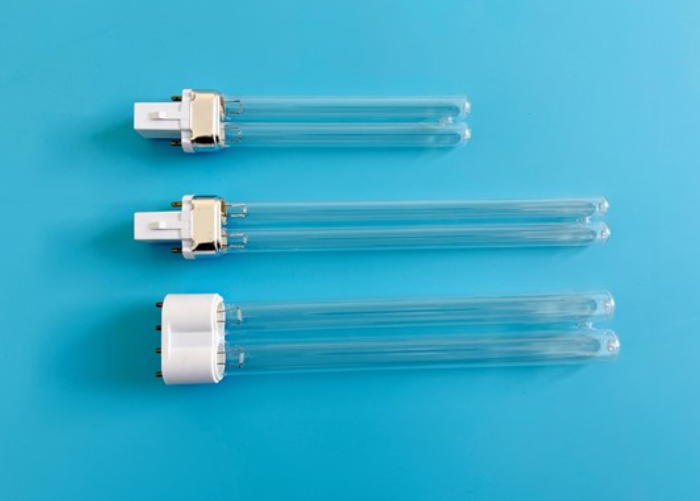
On the flexo press, the real failure isn’t just heat. It’s incomplete cross-linking. When the lamp doesn’t pull its weight, you get residual tack, color shift, and the web starts breaking. So we focused on nailing the photon energy where it matters: shaping the spectral output and irradiance profile to match the photoinitiator chemistry in the ink, not just the lamp housing. What matters under the hood We start with a high-pressure mercury vapor lamp, tuned for the dominant 365 nm and 385 nm bands—exactly where most flexo photoinitiators absorb. Peak irradiance is engineered above 8 W/cm² to cure the surface fast without cooking the substrate. Power density is matched to typical flexo line speeds, delivering 300–800 mJ/cm² at the web, adjustable via lamp height and reflector geometry. The quartz arc tube and dichroic-coated reflector shape the spectrum and keep UV-C contained, so ozone generation stays low. Output stays stable over 3,000 hours, with under 8% energy drop—measured on a calibrated spectral radiometer, not by marketing. Why this plays in flexo Flexo needs instant cure at high speed, especially on thin films and heat-sensitive substrates. This lamp throws enough photon flux to set the ink surface immediately, preventing set-off and letting downstream processes run right away. The payoff is fewer rejects, stable density through the run, and dot reproduction that stays consistent. Energy draw is matched to the duty cycle; you only run hot where needed, and idle power drops, so kWh goes down without hurting cure. The shop-floor details Matching the lamp to your press comes down to reflector width, lamp-to-web distance, and the spectral window your ink system needs. Some narrow-band formulations demand tighter spectral control, so confirm your ink’s photoinitiator profile. In high-humidity environments, run purge air or choose an ozone-free configuration to protect the quartz and keep output steady. And make sure the electrical interface—voltage, connector type, and cooling—lines up with your existing UV curing station, so you don’t get stuck doing field modifications.