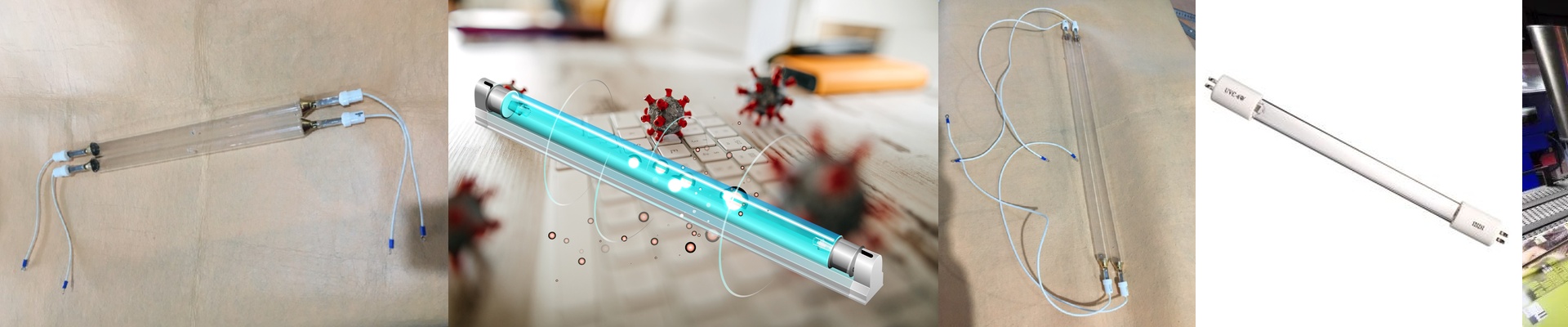
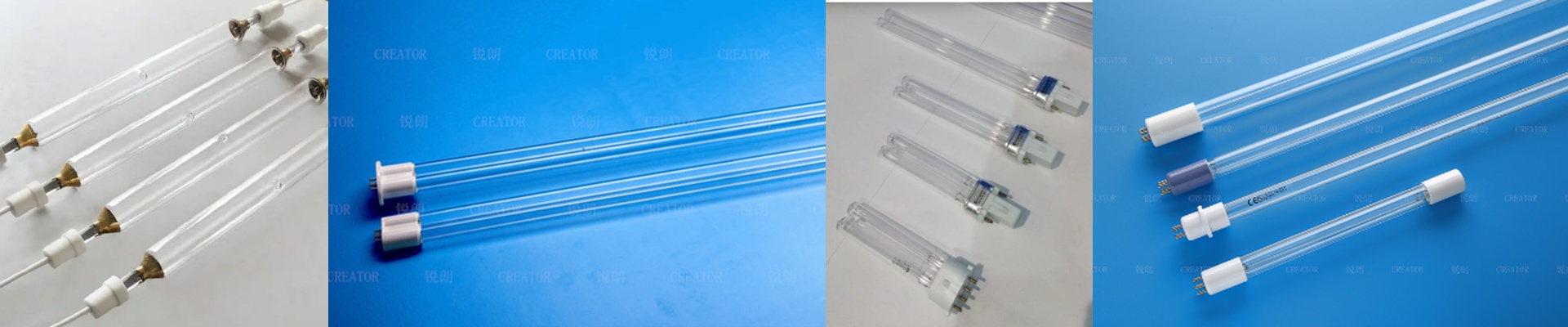
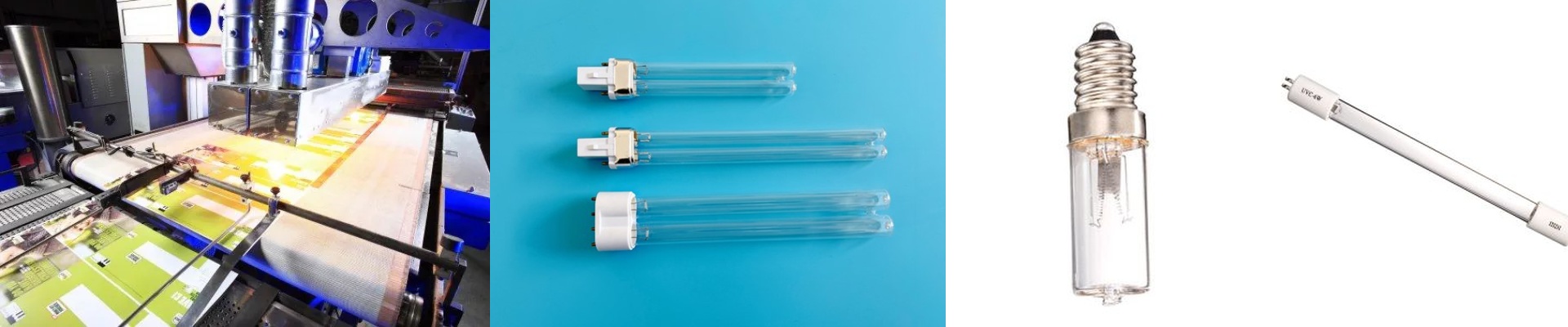
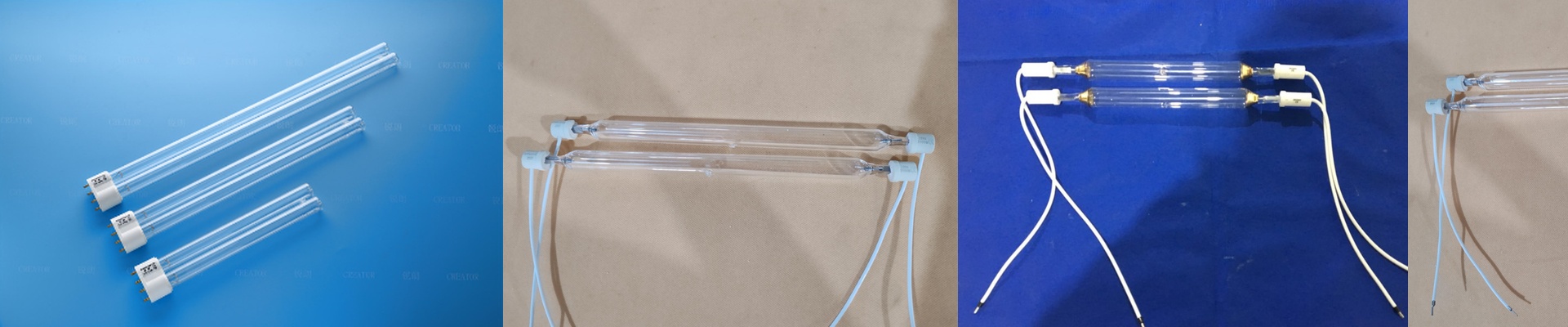
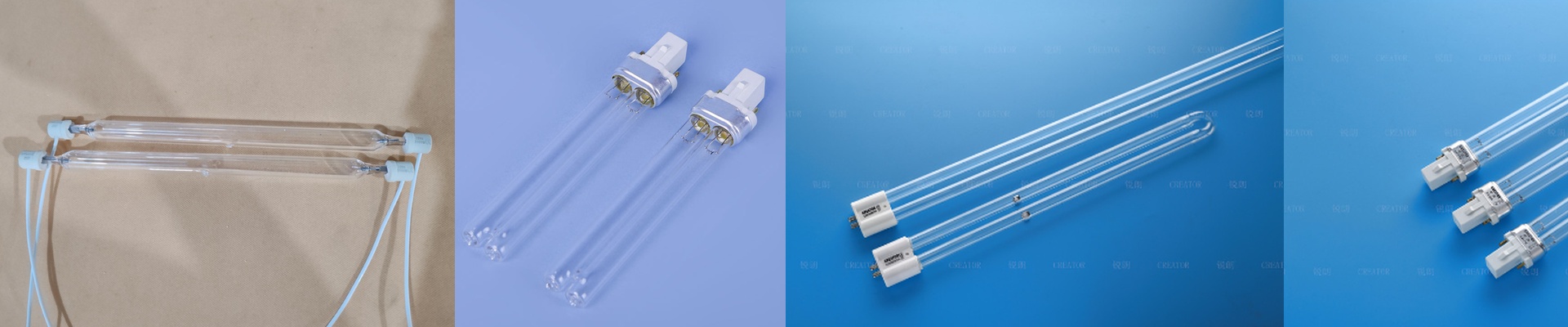
On the flexo press, the real failure isn’t just heat. It’s incomplete cross-linking. When the lamp doesn’t pull its weight, you get residual tack, color shift, and the web starts breaking. So we focused on nailing the photon energy where it matters: shaping the spectral output and irradiance profile to match the photoinitiator chemistry in the ink, not just the lamp housing. What matters under the hood We start with a high-pressure mercury vapor lamp, tuned for the dominant 365 nm and 385 nm bands—exactly where most flexo photoinitiators absorb. Peak irradiance is engineered above 8 W/cm² to cure the surface fast without cooking the substrate. Power density is matched to typical flexo line speeds, delivering 300–800 mJ/cm² at the web, adjustable via lamp height and reflector geometry. The quartz arc tube and dichroic-coated reflector shape the spectrum and keep UV-C contained, so ozone generation stays low. Output stays stable over 3,000 hours, with under 8% energy drop—measured on a calibrated spectral radiometer, not by marketing. Why this plays in flexo Flexo needs instant cure at high speed, especially on thin films and heat-sensitive substrates. This lamp throws enough photon flux to set the ink surface immediately, preventing set-off and letting downstream processes run right away. The payoff is fewer rejects, stable density through the run, and dot reproduction that stays consistent. Energy draw is matched to the duty cycle; you only run hot where needed, and idle power drops, so kWh goes down without hurting cure. The shop-floor details Matching the lamp to your press comes down to reflector width, lamp-to-web distance, and the spectral window your ink system needs. Some narrow-band formulations demand tighter spectral control, so confirm your ink’s photoinitiator profile. In high-humidity environments, run purge air or choose an ozone-free configuration to protect the quartz and keep output steady. And make sure the electrical interface—voltage, connector type, and cooling—lines up with your existing UV curing station, so you don’t get stuck doing field modifications.
플렉소 프레스에서 실제 실패 원인은 단순한 열 문제가 아니라 불완전한 가교 반응이다. 램프가 제 성능을 발휘하지 못하면 잔류 점착, 색상 변화, 그리고 웹 파손 현상이 발생한다. 따라서 우리는 광자 에너지를 정확히 조절하는 데 집중했다. 이는 단순히 램프 하우징이 아닌 잉크 내 광개시제 화학 구조에 맞춰 스펙트럼 출력과 조사도 프로파일을 설계하는 것이다.
핵심 요소
우리는 고압 수은 증기 램프를 사용하며, 대부분의 플렉소 광개시제가 흡수하는 365 nm 및 385 nm 대역에 맞춰 조정한다. 최대 조사도는 기판을 손상시키지 않으면서 표면을 빠르게 경화시키기 위해 8 W/cm² 이상으로 설계된다. 전력 밀도는 일반적인 플렉소 라인 속도에 맞춰 조절되며, 웹 상에서 300–800 mJ/cm²의 에너지를 전달한다. 이는 램프 높이와 반사경 형상으로 조정 가능하다. 쿼츠 아크 튜브와 이크로익 코팅된 반사경이 스펙트럼을 형성하고 UV-C를 차단하여 오존 발생을 최소화한다. 출력은 3,000시간 이상 안정적으로 유지되며, 보정된 스펙트럼 방사계로 측정한 결과 에너지 저하는 8% 미만이다. 마케팅 수치가 아니다.
플렉소에서의 적용 이유
플렉소는 특히 얇은 필름과 열에 민감한 기판에서 고속으로 즉시 경화가 필요하다. 이 램프는 충분한 광자 플럭스를 제공해 잉크 표면을 즉시 고정시켜 세트오프 현상을 방지하며, 후속 공정이 곧바로 진행될 수 있게 한다. 그 결과 불량률 감소, 런 중 밀도 안정성 유지, 점 재현성이 지속적으로 확보된다. 에너지 소모는 작업 주기에 맞춰 조절되며, 필요한 영역에서만 고출력으로 운전하고 유휴 시 전력은 감소하여 경화 성능에 영향 없이 kWh 소비를 줄인다.
현장 적용 세부 사항
램프와 프레스의 매칭은 반사경 폭, 램프-웹 거리, 잉크 시스템이 요구하는 스펙트럼 창에 달려 있다. 일부 좁은 대역 조성물은 더 엄격한 스펙트럼 제어가 필요하므로 잉크 내 광개시제 프로파일을 반드시 확인해야 한다. 고습 환경에서는 쿼츠 보호와 출력 안정화를 위해 퍼지 공기를 투입하거나 오존 프리 구성을 선택하는 것이 좋다. 또한 전기 인터페이스(전압, 커넥터 타입, 냉각 방식)가 기존 UV 경화 스테이션과 호환되는지 확인해야 현장 개조 작업을 피할 수 있다.