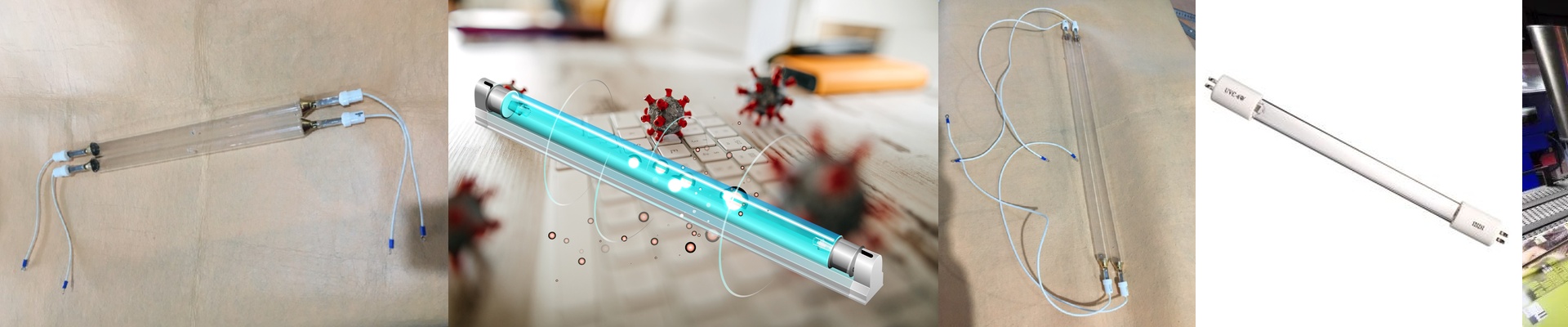
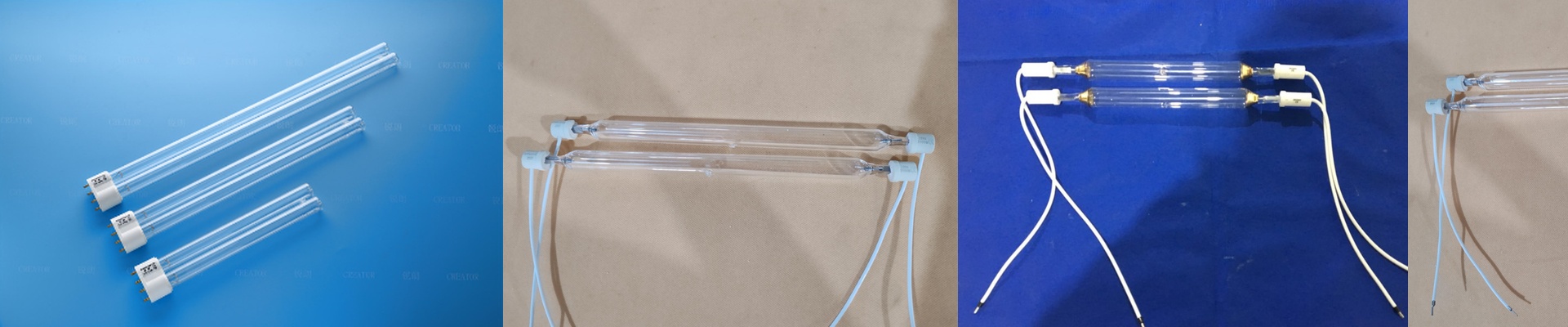
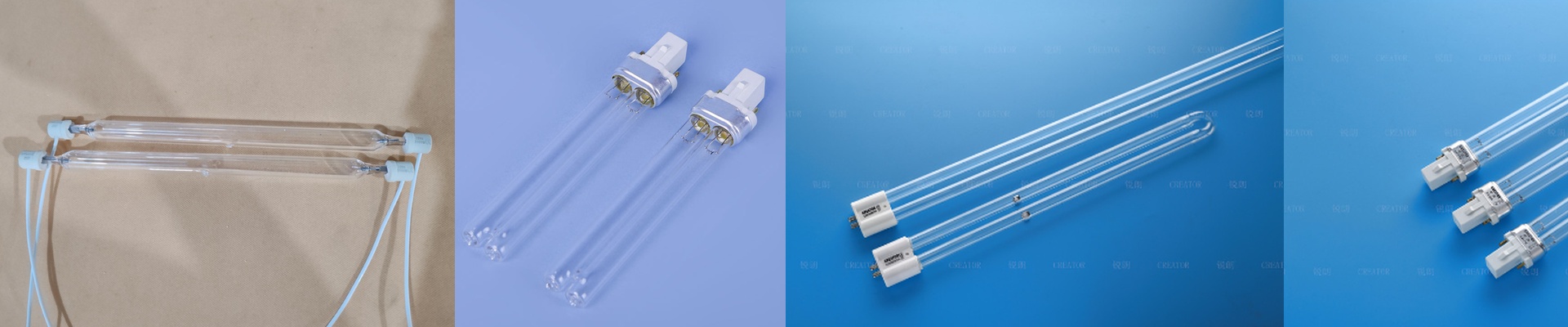
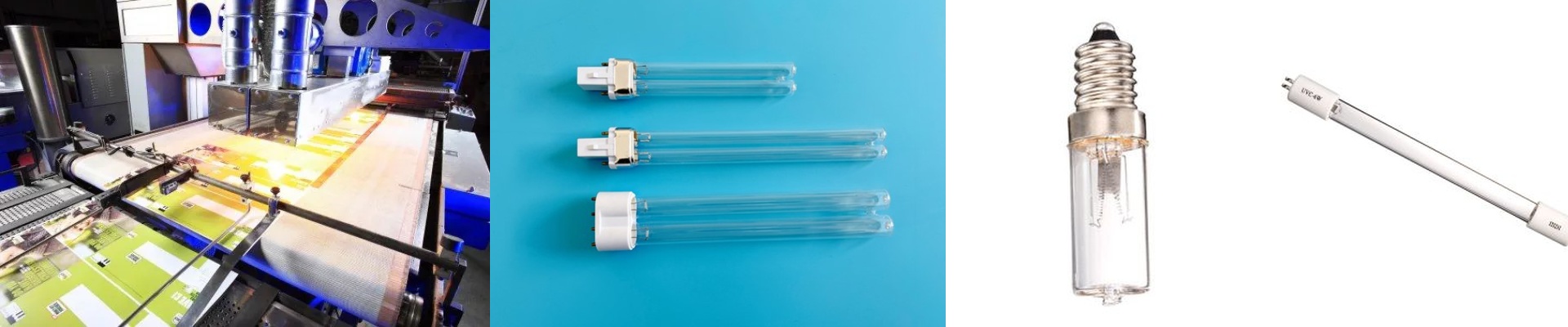
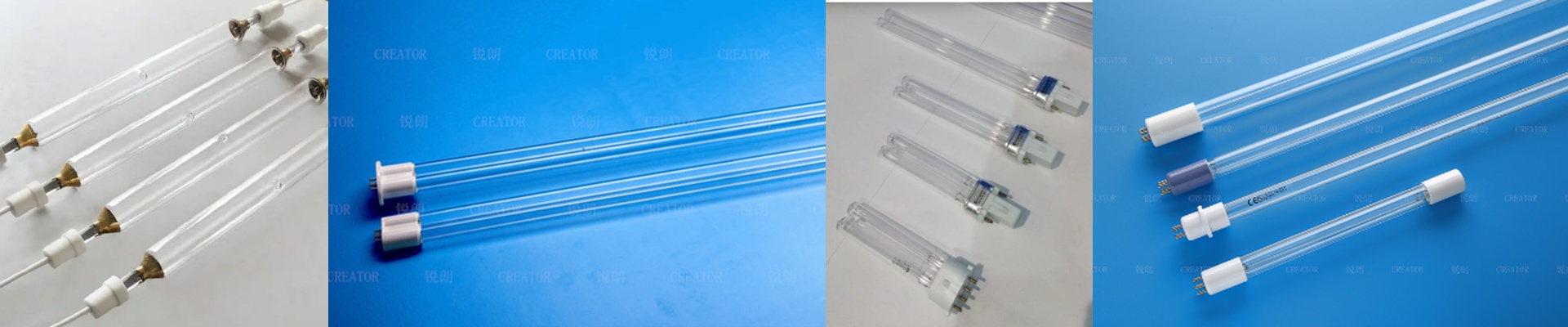
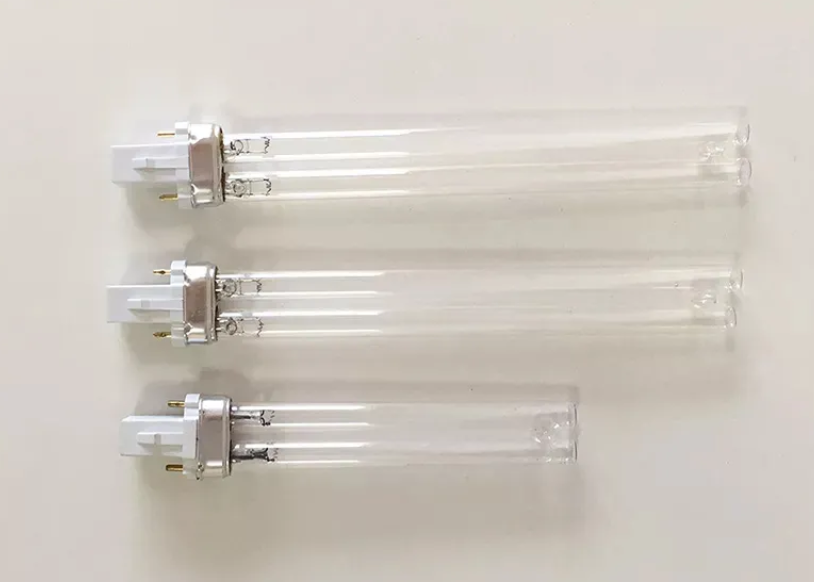
On the floor, you watch the lamp strike, and the first thing you pick up on is color temperature. With a 254nm UV sterilization lamp, that bluish-white isn’t just cosmetic—it’s a straight read on the internal fill composition and the condition of the quartz envelope. A steady, repeatable tint tells you the mercury vapor pressure is sitting where it should. If it drifts pink or turns a harsh blue, you’re looking at a gas mix issue, fill pressure that’s off, or a lamp that’s aging. The core of it is straightforward: the 254nm line does the heavy lifting on germicidal output, but the visible continuum comes from the fill gas and plasma temperature. We run these with high-purity mercury and a controlled inert fill to keep vapor pressure stable through warm-up. That stability keeps the spectral output tight and repeatable, so you can use color as a quick pass/fail before you even reach for the radiometer. It also keeps the 254nm output predictable over the life of the lamp, so you don’t get the peak irradiance drop that forces you to slow line speed or risk under-dose. So what does that mean on the line? Uptime and yield. When lamp color stays consistent, dose stays consistent, and you can hold process windows without chasing excursions. You end up with fewer rejected batches, longer intervals between lamp changes, and lower energy per unit because the system spends less time warming up and less time compensating for output drift. Here’s the reality check: ambient temperature and airflow matter. Cold starts and drafts can shift plasma temperature and change color temporarily, so you have to let the lamp stabilize before you call it. And keep the outer surface clean—film buildup scatters light and throws off the visual read, masking what the spectrum is really doing.
על הרצפה, צופים בהצתת הנורה, והדבר הראשון שמבחינים בו הוא טמפרטורת הצבע. בנורת חיטוי UV באורך גל 254nm, הצבע הלבן-כחול הזה אינו רק נושא אסתטי – זו קריאה ישירה על הרכב המילוי הפנימי ומצב מעטפת הקוורץ. גוון יציב וחוזר על עצמו מעיד שהלחץ של אדי הכספית נמצא במקום הנכון. אם הגוון נסחף לגוון ורוד או הופך לכחול חזק, מדובר בבעיה בתערובת הגז, לחץ מילוי לא תקין או נורה שמתיישנת.
העיקרון פשוט: קו 254nm מבצע את רוב העבודה בתפוקת ההרס החיידקים, אך הרצף הנראה נובע מגז המילוי וטמפרטורת הפלזמה. מפעילים את הנורות עם כספית בטוהר גבוה ומילוי אינרטי מבוקר כדי לשמור על יציבות לחץ האדים בתהליך ההתחממות. יציבות זו שומרת על תפוקת ספקטרום מדויקת וחוזרת על עצמה, כך שניתן להשתמש בצבע כבדיקה מהירה של הצלחה או כישלון עוד לפני השימוש ברדיומטר. זה גם מבטיח שתפוקת 254nm תהיה צפויה לאורך חיי הנורה, מבלי ירידה בפיק הקרינה שמאלצת להאט את מהירות הקו או לסכן מינון נמוך מדי.
ומה המשמעות של זה בקו הייצור? זמינות ותפוקה. כאשר צבע הנורה נשמר קבוע, המינון נשמר קבוע, וניתן לשמור על חלונות תהליך ללא הצורך לרדוף אחרי סטיות. התוצאה היא פחות סבבים שנדחים, מרווחי זמן ארוכים יותר בין החלפת נורות, וצריכת אנרגיה נמוכה יותר ליחידה, כי המערכת מבלה פחות זמן בחימום ופחות זמן בפיצוי על סטיות בתפוקה.
הבדיקה המעשית: טמפרטורת הסביבה וזרימת האוויר משפיעות. התחלות קרות ומשבי אוויר יכולים לשנות זמנית את טמפרטורת הפלזמה ולהשפיע על הצבע, לכן יש לתת לנורה להתייצב לפני קבלת החלטה. שמרו גם על ניקיון המשטח החיצוני – הצטברות שכבה מפזרת את האור ומטשטשת את הקריאה הוויזואלית, ומסתירה את השינויים האמיתיים בספקטרום.