

Dealing with Electrical Noise in 120W/cm Mercury UV Lamps
If you’ve spent any time on a shop floor, you know it’s a noisy place. I’m not just talking about the sound. I mean the electrical noise. When you’ve got several big printing presses humming away side-by-side, all those heavy motors and frequency converters create a mess of electromagnetic interference (EMI). If your lamp system can’t handle that chaos, you’ll start seeing it in your work. Flicker. Inconsistent UV output. It’s a headache you don’t need.
Why 120W/cm Matters
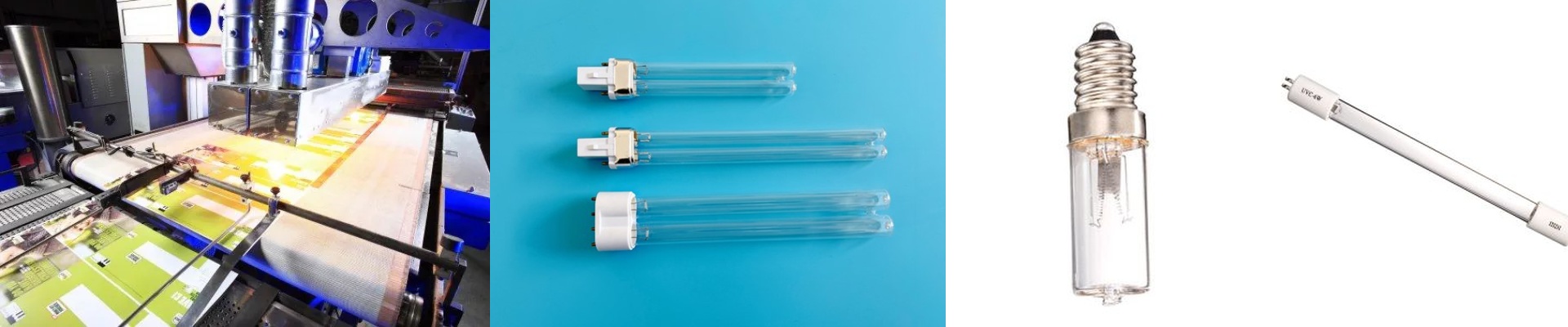
We stick with 120W per centimeter because it hits that sweet spot. It’s enough power to cure inks and coatings instantly as they fly through the press, but it doesn’t melt everything in sight. We use high-purity quartz glass for the tubes, too, so the UV light actually gets where it needs to go instead of getting trapped in the glass. But here’s the thing: these lamps need a rock-solid power supply. Imagine running five or six presses in one hall. When a neighboring machine kicks in, it can cause voltage spikes or dips that trip sensitive ballasts. We’ve spent a lot of time tweaking our circuitry to filter out that noise. The goal is simple: your arc stays stable, no matter what the guy in the next aisle is doing with his equipment.
Keeping Things Steady
Stability is everything. It’s not just about the lamp itself; it’s about how that lamp behaves when the factory grid starts acting up. When the power fluctuates, you get “striping” on your prints. It’s frustrating, it looks bad, and it means you’re wasting material. Our units are built to keep a constant arc discharge even when the electrical load on the floor is peaking. One quick tip, though. Pushing 120W/cm creates a lot of heat. Like, a lot. If your cooling blowers are caked in dust or your airflow is blocked, that quartz envelope is going to overheat. That’s a fast track to a burnt-out tube. Keep your reflectors polished and your fans spinning. It’s a small bit of maintenance, but it’s the only way to make your tubes last.