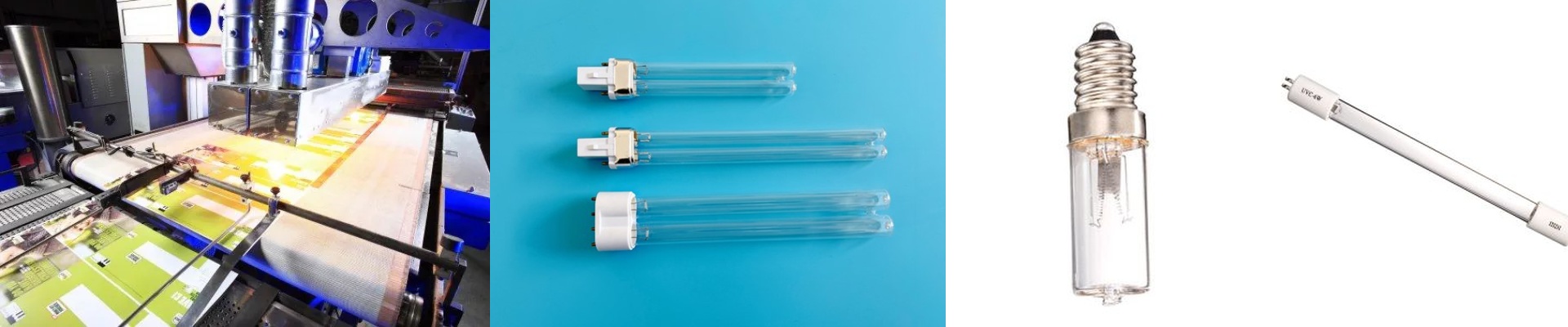
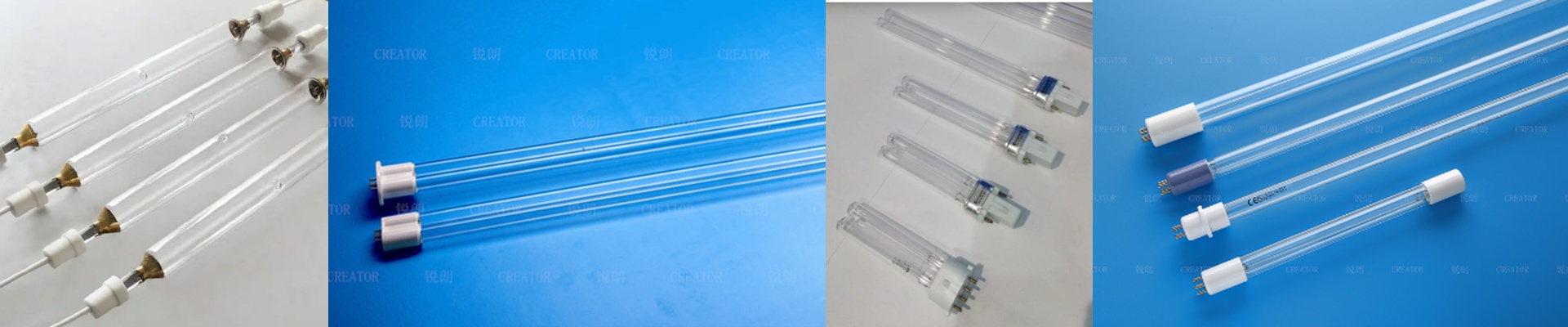
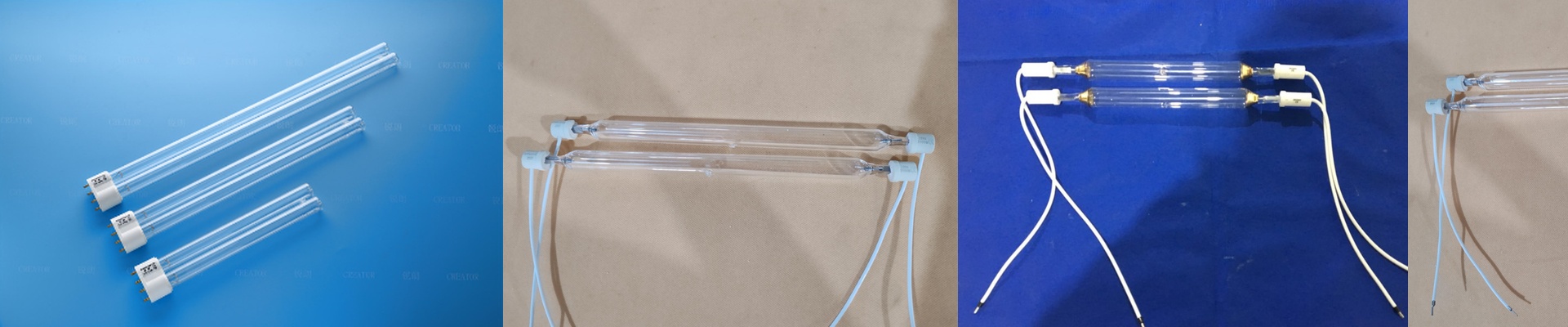


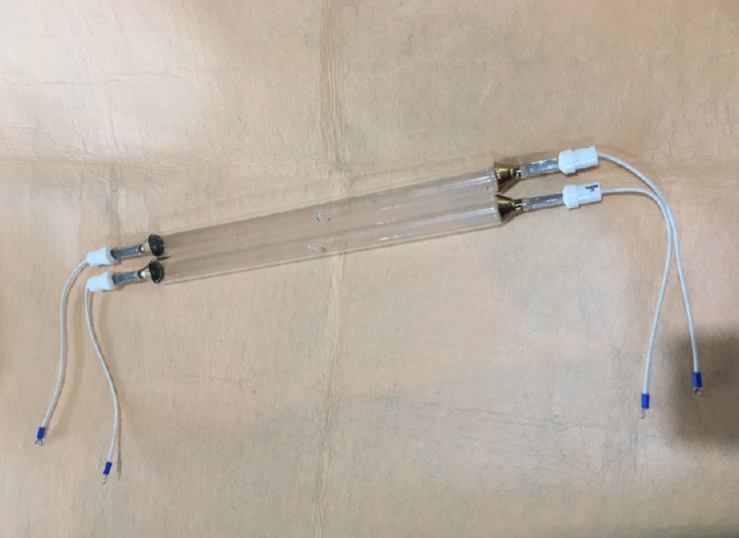
Getting the Most Out of Your Mercury UV Tubes
Let’s be honest: when your industrial line goes down, you’re losing money every single minute. That’s why we build our mercury UV curing tubes to actually survive the grind of a heavy-duty cycle.
How to make them last
If you want a lamp that doesn’t quit, it all comes down to the materials. Cheap quartz has a bad habit of “solarizing”—basically, it turns brown or cloudy over time. Once that happens, your UV output drops off a cliff. We use high-transmittance fused quartz to stop that from happening. It keeps the light steady and strong for thousands of hours. But here is the catch: you have to watch your ballast settings. It’s tempting to over-drive the lamp just to get a faster cure, but that’s a gamble. You’ll fry the electrodes and kill the tube way too early. It’s a simple trade-off. More intensity now means a shorter life later.
Fitting them into your setup
We designed these to be easy. They’re drop-in replacements, so they should slide right into the systems you’re already using. One thing we obsess over is the seal at the pinch end. If air leaks in, the lamp is dead. Period. We make sure those seals are tight so you aren’t replacing tubes more often than you have to. Also, keep an eye on your heat. These tubes put out a ton of IR heat along with the UV. If your fans are dusty or your water jackets aren’t doing their job, the quartz will stress and eventually crack. **Pro tip:**Check your reflector alignment every few months. You want that UV hitting your product, not baking your machine frame.
No fluff, just numbers
We aren’t interested in fancy marketing speak. We compare our output to the biggest global brands because that’s the only way to know if it’s working. We use radiometers to prove the actual mW/cm² output. You get the exact spectral distribution your resin needs to set properly. And look, if the curing speed or surface hardness doesn’t match the benchmark for the price you paid? We’ll give you your money back. Simple as that.